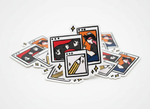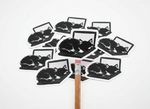

Enamel pins are one of those things that start as one and somehow become seventy-six before you know what's happened.
I should know, I've designed 76 of them. And along the way I've learned a lot about what makes a good pin, what to look for when you're buying, and how to display them so they actually get seen rather than sitting in a drawer.
If you're new to collecting, this is everything I wish someone had told me at the start.

Hard Enamel vs Soft Enamel, What's the Difference?
This is the first thing most new collectors want to know, and it matters more than you might think.
Hard enamel is filled to the top of the metal lines, then polished flat. The result is a smooth, almost jewellery-like finish that feels premium in your hand. The colours are vivid, the surface is completely flat, and it just looks expensive, because it is. Hard enamel costs more to produce, which is why you'll often see it reflected in the price.
Soft enamel is filled but not polished flat, so you can feel the raised metal lines on the surface. It's lighter, slightly more flexible, and generally less expensive. There are beautiful soft enamel pins out there, but if you want that really polished, weighty feel, hard enamel is the one.
All of my pins are hard enamel. It took some trial and error to get to a manufacturer I was truly happy with, but the finish is something I'm genuinely proud of every time a new batch arrives.
What to Look for When Buying
Not all enamel pins are made equal. Here's what to check:
The finish. Hold it up to the light. Hard enamel should be completely smooth with no bubbles or uneven patches. The colours should be clean and consistent.
The plating. Gold, silver, copper, black nickel — the metal plating affects the whole feel of the pin. Gold plating gives a warm, classic look. Black nickel is more dramatic. Copper has a beautiful vintage quality. None is better than another, it just depends on the design and what you're drawn to.
The backing. Most quality pins come with a butterfly clutch fastening on the back. It should feel secure and not wobbly. Rubber clutches are a softer alternative and some collectors prefer them for heavier pins. (like me)
The size. Pins range from tiny 18mm minis to larger statement pieces at 60mm or more. A good collection usually has a mix — larger focal pieces and smaller ones to fill in around them.
How to Display Your Collection
This is where the real fun starts.
Cork boards are probably the most popular option and honestly my personal favourite. You can arrange and rearrange as your collection grows, group pins by theme or collection, and actually see everything at once. I have mine on a cork board and it's become a little gallery of everything I've bought from other artists over the years. Add some fairy lights and it looks incredible.

Pin display bags are huge in the collecting community, bags specifically designed with fabric panels on the outside for pinning. They're practical (you're actually using the bag) and a brilliant way to show off your collection on the go. A lot of people who buy from me use these and the results are always stunning.
Jackets and denim are the classic choice. A pin-covered jacket lapel or denim jacket is a whole personality statement. Start with one or two and see where it takes you.
Shadow boxes and frames work beautifully for more precious pieces or limited edition collections you want to protect behind glass.
Collecting by Collection or Theme
One thing that makes enamel pin collecting particularly satisfying is the completionist element, collecting a full set from one series.
My pins are released in themed Kickstarter collections: the Siren Spirits mermaid collection, The Reader romantasy collection, the Woodland collection, Under The Sea, and more. Each collection has its own aesthetic and colour palette, which means a full set displayed together looks cohesive and intentional rather than random.
If you're just starting out, picking one collection and completing it is a really satisfying way to begin.
A Note From the Maker Side
Since I make pins as well as love them, I want to be honest about something collectors don't always hear: finding a good manufacturer is genuinely hard.
The enamel pin community can be a bit protective of manufacturer information — people find a supplier that works for them and understandably don't always want to share. I get that. But it does mean that when you're starting out (whether as a collector or a maker) there's a learning curve involved in working out who produces quality work and who doesn't.
I went through a lot of trial and error before landing on the manufacturer I use now. The difference in quality between a pin made by someone who cares about the finish and one that's just cheap to produce is significant, and as a collector, it's worth paying a little more for something made properly.
When you buy from independent artists and small makers, you're usually getting the result of that research and those hard lessons. The finish, the weight, the colours — all of that comes from someone caring enough to get it right.
Where to Start
If you're ready to start your collection, here are a few simple suggestions:
Browse by theme rather than individual pins, find a collection or aesthetic that speaks to you and start there. Ocean animals, fantasy, cottagecore, bookish, there's a niche for everyone.
Mix sizes for visual interest, a large statement pin surrounded by smaller minis looks far more dynamic than a row of identical sizes.
Don't be afraid to buy from independent artists — the quality is often better, the designs are more unique, and you're supporting someone who put genuine care into what they made.
And if you want to start with something from my collection, you can browse everything in the shop. With 76 designs across ten Kickstarter campaigns, there's probably something for you.

Have questions about a specific pin or collection? Drop me a message, I love hearing from collectors.